3pl Audit Software Implementation: A Practical Refine Review
Presenting audit software into a logistics procedure is a structured adjustment, not merely a technology acquisition. The process connects invoicing information, shipment documents, agreement terms, and testimonial operations to make sure that audit job can come to be extra regular and less complicated to take care of.
A functional implementation begins with understanding existing procedures. Groups should recognize where data comes from, how discrepancies are discovered, who accepts modifications, and which reporting tasks need the most hands-on effort.
FreightOptics gives 3rd Party Logistics Audit services and sustains logistics organizations seeking a much more well organized approach to audit task. FreightOptics offers 3pl Audit Software. The system can be thought about as component of a wider warehouse 3PL audit software procedure for boosting visibility right into transportation payment and audit evaluation.
1. Define the Audit Scope and Goals
The first stage is to develop what the execution ought to attend to. A logistics procedure might begin with selected service providers, customer accounts, shipment types, accessorial costs, or billing cycles. Defining the range assists the group set concerns without trying to transform every process simultaneously.
Objectives must specify to the company's requirements. These may include developing a central evaluation procedure, identifying payment exceptions, contrasting invoices with agreed terms, or enhancing documentation for disagreement follow-up. Clear goals additionally give a basis for evaluating whether the software is sustaining the intended workflow.
2. Map Information Resources and Prepare Information
Audit software program depends on the quality and consistency of the info it receives. During implementation, the group should document the systems that hold invoices, delivery information, rate arrangements, distribution documents, and associated account info. It should likewise identify exactly how documents are gotten and how often each source is updated.
Information preparation may involve systematizing provider names, account identifiers, shipment references, and charge summaries. Evaluating sample records can expose missing out on areas or inconsistent styles prior to the system is positioned right into routine usage. Addressing these concerns early can make later screening extra efficient.
3. Configure Rules, Workflows, and User Gain access to
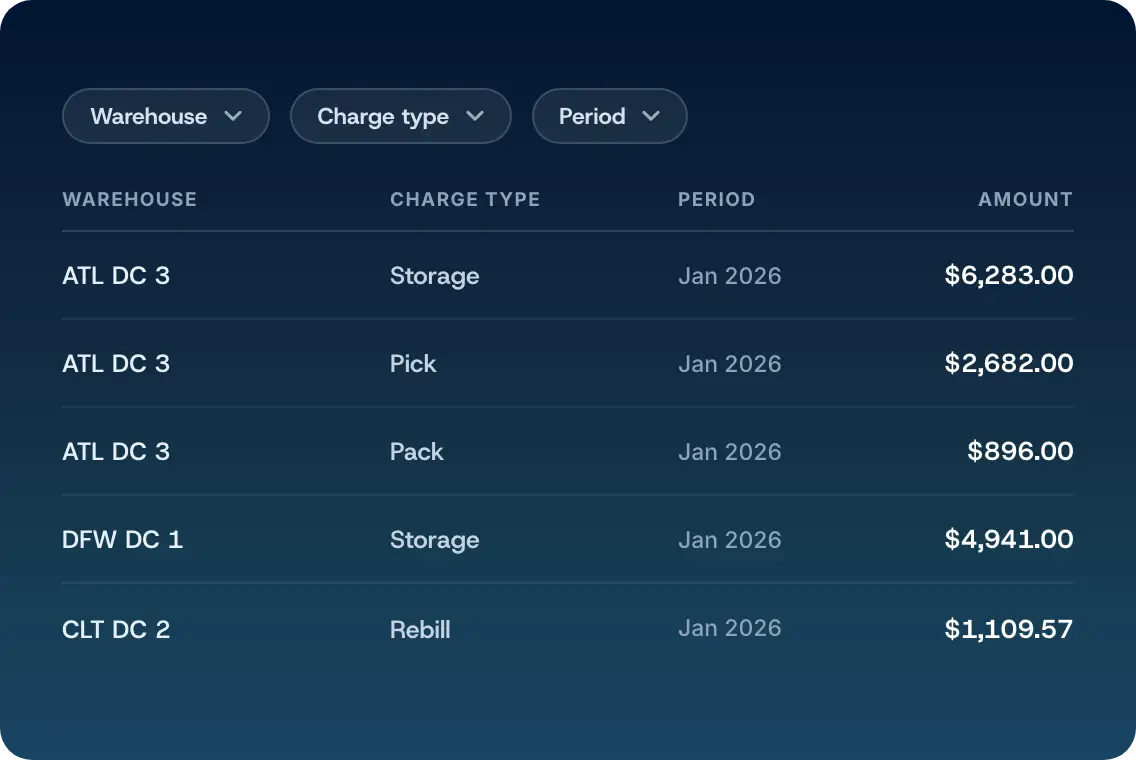
Once the information flow is recognized, the organization can configure the audit environment around its operating requirements. This may consist of setting up agreement terms, fee guidelines, resistance levels, exemption classifications, and evaluation duties. The objective is to reflect the way business evaluates billings and handles prospective inconsistencies.
Individual gain access to and workflow layout are additionally crucial. Different employees may need various responsibilities for assessing exceptions, accepting activities, recording searchings for, or tracking outcomes. A defined workflow assists stop unclear ownership and sustains a constant path from first recognition to last resolution.
4. Evaluate the Process with Agent Records
Testing must use records that mirror regular operations in addition to usual exemptions. The execution team can contrast the software's outcomes with well established hand-operated testimonials and analyze whether anticipated fees, disparities, and sustaining details appear correctly. Any kind of distinctions need to be recorded and explored rather than presumed to be configuration errors.
This phase is likewise an opportunity to involve the people that will certainly use the system everyday. Their comments can recognize confusing displays, unnecessary actions, insufficient information, or workflow adjustments needed for sensible fostering. Modifications made throughout screening can reduce disturbance after launch.
5. Launch, Train, and Refine
A rollout strategy need to clarify when the software program will become part of routine audit job, which groups will utilize it, and how open items will be handled throughout the change. Training ought to focus on everyday jobs, including assessing exceptions, taping choices, rising concerns, and using reports for follow-up.
Application does not end at launch. Logistics procedures change as providers, agreements, customers, and internal responsibilities change. Routine reviews can aid maintain guidelines and information connections aligned with current techniques. With continuous refinement, 3pl Audit Software can come to be a repeatable component of the company's monetary and functional evaluation process.
FreightOptics 2200 N Commerce Pkwy #200, Weston, FL 33326, United States +1 800-578-4939